


Did you know that Maryland's native pollinators are in decline due to habitat loss? We're reversing that with our EcoBuild service.
EcoBuild Installations are:
-
Environmentally sustainable landscapes
-
Low tech, low cost solutions using natural materials
-
Made with native plants, trees, and shrubs from the Mid-Atlantic region
-
And can create habitat for wildlife & pollinators, address stormwater issues, and more.


Let's Create Something Beautiful and Sustainable
Conservation Projects We Offer
CONSERVATION LANDSCAPES
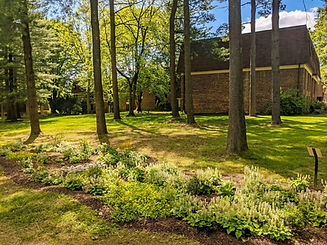
Conservation landscapes combine the structure of traditional gardens with native plants and amended soils. The result is a landscape that supports wildlife while remaining visually familiar and inviting.
POLLINATOR GARDENS
Pollinator gardens feature native plants that provide food and habitat for bees, butterflies, and other beneficial insects. They support biodiversity while adding seasonal beauty to the landscape.
RAIN GARDENS
Rain gardens are natural stormwater solutions that capture, absorb, and filter large volumes of runoff. They reduce pollution while providing valuable habitat for pollinators and other wildlife.
TREE PLANTING
Native tree plantings provide critical habitat, reduce stormwater runoff, and help lower temperatures as our climate changes. Trees play a long-term role in creating healthier, more resilient landscapes.
MEADOW LAB INSTALLATION
As Meadow Lab certified partners, we install native meadow strips using species adapted to the Mid-Atlantic region. These meadows increase habitat, improve soil health, and reduce long-term maintenance.
STREAM RESTORATION
Our stream restoration work includes techniques like beaver dam analogues, live staking, and invasive plant removal. These methods mimic naturally occurring solutions that stabilize streambanks, improve water quality, and restore natural stream function.
FUNCTIONAL LANDSCAPE FEATURES
We can install berms and swales which manage water flow and reduce erosion by working with the land’s contours. Natural stairs can be incorporated to improve accessibility. Talk with our team about functional and natural landscaping features that are right for your site needs.



Environmental Challenges We Tackle

Habitat Loss & Biodiversity Decline
Habitat loss is one of the leading causes of biodiversity decline in Maryland, affecting birds, pollinators, and other wildlife. As natural areas are replaced by lawns and development, native species lose the food and shelter they depend on.
Non-native plants and simplified landscapes offer little ecological value. They disrupt local food webs and reduce the diversity of species that can survive in these spaces.
Our conservation projects restore native plants and healthy soil, creating functional habitats that support wildlife while fitting into everyday landscapes.

Flooding & Stormwater Challenges
Climate change is increasing flood disasters in Maryland, putting homes, human health, and the Chesapeake Bay at risk. But you can make a difference.
Urban development plays a major role. Lawns and driveways create impervious surfaces that prevent stormwater from soaking into the ground.
Turf grass has shallow roots and does little to absorb or hold water. As a result, polluted runoff flows into local streams and the Chesapeake Bay.
Our conservation projects often address these problems at the root, offering a natural way to absorb and filter stormwater.

Working With Nature, Not Against It
Many conventional solutions to flooding, runoff, and habitat loss rely on expensive, high-maintenance infrastructure. Our projects take a different approach, using low-cost, low-tech, nature-based solutions.
By working with natural systems, we create landscapes that manage water, support wildlife, and last over time. These solutions are effective, resilient, and designed to function with minimal upkeep.
PRICING
Installation costs vary and depend on a range of factors, such as project type:
-
Starting at $17 / square foot for a pollinator garden or conservation landscape.
-
A minimum of $35 / square foot for a rain garden.
-
Average cost at $250 / tree for tree plantings, which lowers in large quantities.
Other factors that affect total installation costs:
-
Project type
-
Size
-
Site limitations, such as utilities, slopes, soils
-
Accessibility


